Four Types of Books That Form Us for Mission


“You will receive power when the Holy Spirit comes on you;
and you will be my witnesses in Jerusalem, and in all Judea and Samaria,
and to the ends of the earth.” (Act 1:8)
The mission of God to the whole world is at the heart of the Christian gospel—the good news of Jesus Christ.
I have been aware of this mission since my early days as a follower of Jesus. We listened to missionaries, wrote to them, and read about them. Those were formative times for me.
At one point, I felt drawn to be a missionary in a foreign country (which will remain unnamed). I remember deciding I would first complete my university degree—and that opportunity passed me by. Over time, I realized that we, as followers of Jesus, are called to be engaged in God’s mission, whether foreign or domestic. None of us is exempt from this call.
There are too many people, books, and other sources to name who have shaped me missionally. This post is limited to four categories of books for your consideration. Different books may impact you at different times and in different ways, but they will probably fall into one of these categories.
Let me begin with a caution.
Books will not do the work for us, but good books can sharpen our vision and strengthen our steps. The right voices can give us the courage to cross a street, the humility to cross a culture, and the wisdom to stay faithful for the long haul.


Biographies
Stories of faithful men and women make costly obedience imaginable—and contagious.
The first summer break after I received Christ was a time when I read one biography after another. These were biographies of men and women who lived their lives in God’s mission.
Here is a sample of some of those titles:
- Shadow of the Almighty by Elisabeth Elliot: Jim Elliot (1927-1956) was one of five young men killed by Auca natives in Ecuador. Later, many of that tribe received Jesus Christ through the work of the widows of these men and others. Jim’s widow, Elisabeth Elliot, wrote both Through Gates of Splendor (the team’s story) and Shadow of the Almighty (Jim’s journals and life). These are classic calls to costly obedience.
- Hudson Taylor, an autobiography: Hudson Taylor (1832-1905) took the gospel to China, establishing the China Inland Mission (now OMF International). His life demonstrated the truth of his saying: “Depend on it. God’s work done in God’s way will never lack God’s supply.”
- Angola Beloved by T. Ernest Wilson (1902-1996): I recall meeting and listening to Mr. Wilson. This book is a warm, first-person account of forty years in Angola—indigenous church planting, hardship, and joy.
- George Müller of Bristol by A. T. Pierson: The back cover states, “George Müller was living proof that God can be known intimately, that He is a faithful companion, and that prayer yields miraculous results.”
- Among others, there were also:
- Amy Carmichael (India) by Kathleen White;
- Adoniram Judson (Burma, now Myanmar) by Courtney Anderson;
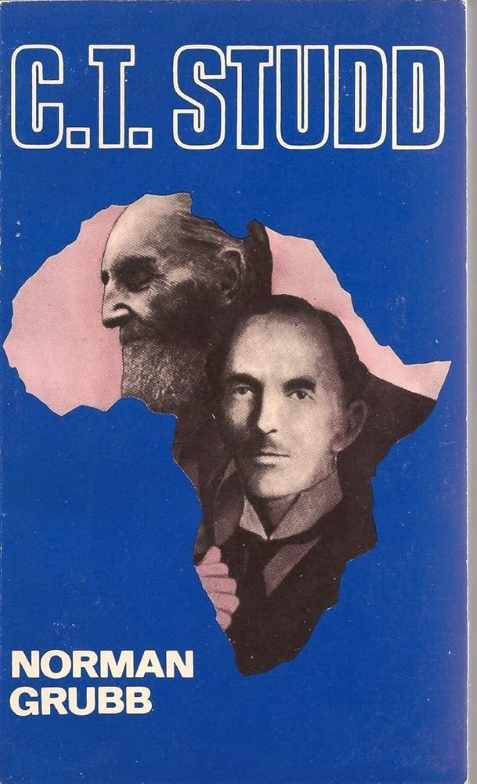
- C. T. Studd: Cricketer and Pioneer by Norman Grubb;
- Wilfred Grenfell, The Labrador Doctor by W. M. Comber;
- The Small Woman about the life of Gladys Aylward by Alan Burgess;
- William Carey: Father of Modern Missions by Walter Davis;
- The Bitter and the Bold: The Life of Dr. Sa’eed of Iran by Jay M. Rasooli et al.; and
- John G. Paton: Missionary to the New Hebrides (autobiography).
Note: A few of these (and other books about missions and missionaries) are in the public domain or available free online for readers who want to sample before buying (e.g., Project Gutenberg and WeLib).
Theology
Theology aligns our desires with God’s grand story, so we join what God is doing, not merely what we prefer.
Being aware of the theology of mission is necessary, for without a biblically grounded theology of mission, we may be busy for God but not necessarily aligned with God.
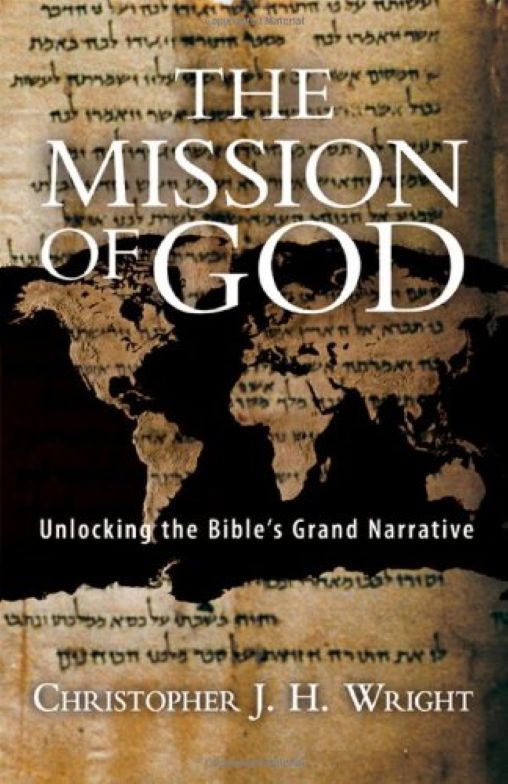
For me, one of the best theologies is The Mission of God: Unlocking the Bible’s Grand Narrative by Christopher J. H. Wright. Wright taught for years in India and is currently the International Ministries Director of Langham Partnership International.
The subject of Wright’s book is big biblical‑theology, arguing that mission is not a small program of the Christian Church.
Fundamentally, our mission (if it is biblically informed and validated) means our committed participation as God’s people, at God’s invitation and command, in God’s own mission within the history of God’s world for the redemption of God’s creation.[1]
Here is the link for a review of The Mission of God.
Wright has also produced The Mission of God’s People as a more popular and accessible companion to this title.
Culture
Cultural wisdom helps us love people as they are and speak good news that resonates with them.
It is of great value to have insight into what cultures are and how and why they differ. Not only does this help us understand how they view the world, but it also equips us to communicate effectively.
A standard title is H. Richard Niebuhr’s Christ and Culture, which I found of limited practical value.
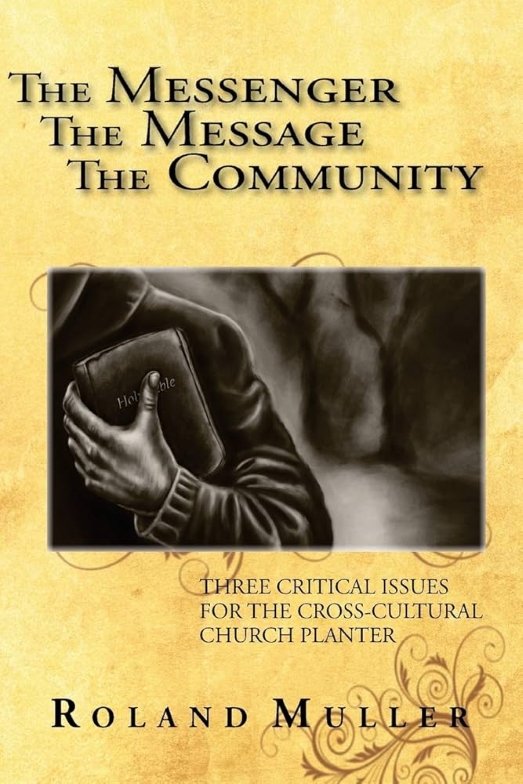
My eyes were opened when I read Roland Müller’s The Messenger, the Message, and the Community, which explains the biblical basis for the three-fold major cultural types: guilt-righteousness, shame-honor, and fear-power. He then examines the credibility of the messenger, the clarity of the message, and the plausibility of the community, using cross-cultural case studies.
Click here for a summary and review of the 2nd edition of this title.[2]
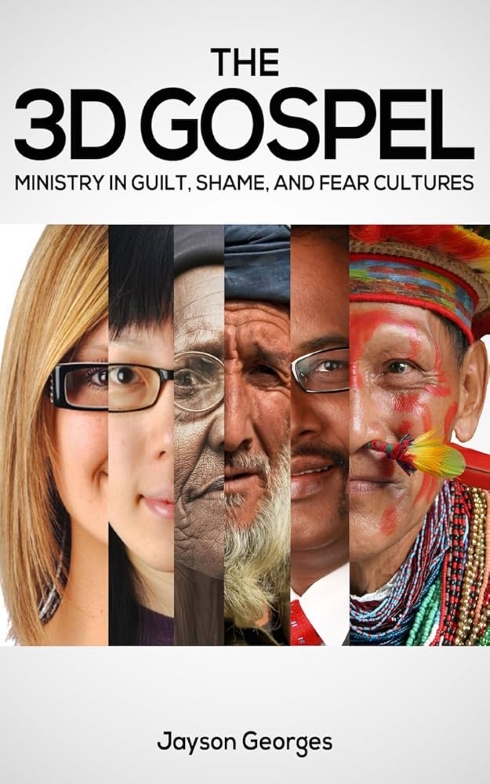
Another excellent guide to these three cultural lenses is Jayson Georges's short (80-page) The 3D Gospel, which explains how the Bible speaks good news to each. See my post on this book and its application (“The Gospel of Christ for Every Culture”).

Training
Training makes holy intention practical—workable, field-tested, effective.
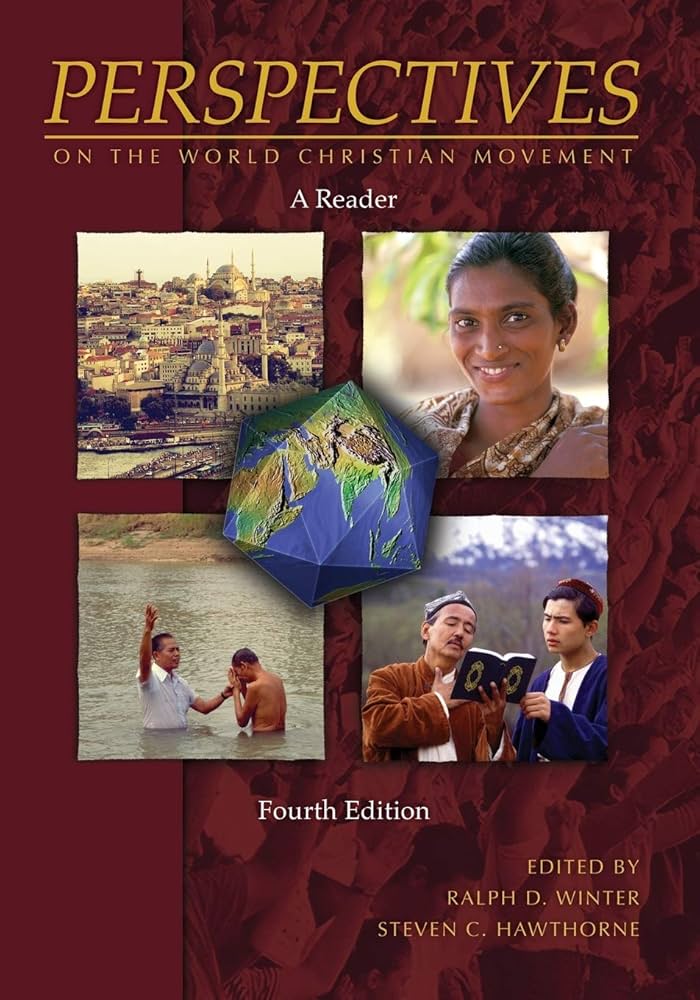
Over the years, I have been privileged to help teach the excellent, intensive 15-week course, Perspectives on the World Christian Movement, or simply “Perspectives.” Developed in 1974 by Ralph Winter and the U.S. Center for World Mission, it has grown into a global movement.
Each cohort meets once a week with multiple instructors for instruction, interaction, and consolidation of what they have been learning. It teaches Mission Perspectives biblically, historically, culturally, and strategically.
Here are some links to give you a better idea of this training:
- Perspectives Global;
- Perspectives Canada;
- Perspectives USA; or
- Contact one of the above to learn what is available in your region.
There is also Kairos, a shorter course described as:
Kairos is designed to educate, inspire and challenge Christians to meaningful participation in God’s heart for all the nations. It is a tool God is using to help transform the worldview of believers, so they see themselves as having been blessed in order to be a blessing to all people groups.
You can learn more about Kairos and related courses at Simply Mobilizing Canada.
Summing Up
God’s mission is not a side project; it is the pulse of the gospel—and good books help align our hearts to that pulse.
Biographies make costly obedience imaginable, theology aligns our zeal with God’s story, cultural insight helps us speak good news that can be heard, and training turns intention into durable practice. Choose one next step today—pick a book, start a conversation, or explore a course—and ask the Spirit to lead you to your next assignment.
Your turn: What books or resources have formed you for God’s mission? Please share 1–2 recommendations with me—title, author, category (Biography/Theology/Culture/Training), and a sentence on why it mattered. You can contact me using this link.
BACK TO 4 More Formative Books in My Life (Part 2: Issues)
Notes:
[1] Christopher J. H. Wright, The Mission of God: Unlocking the Bible’s Grand Narrative (Downers Grove, IL: IVP Academic, 2006), 22-23. Author’s emphasis.
[2] I was unable to determine the source of this review. If you know the source, please contact us with that information.
Image credit: Depositphotos
Click "yes" to receive resource-rich newsletters.
Helpful resources provided to 'living theology' subscribers.
YES!