Was David Deluded, Denying, or Discerning?

Against you, you only, have I sinned
and done what is evil in your sight, …
(Psalm 51:4)
These are the words of King David, spoken to God after he had committed adultery with Bathsheba and arranged the killing of her husband, Uriah, a loyal army officer (2 Samuel 11).
How can he say, “Against you, you only, have I sinned”? What about Bathsheba and Uriah?
Was David deluded, denying, or discerning?
If he were delusional, we could dismiss him. And yet, when rebuked for his sin by the prophet Nathan (2 Samuel 12:13), he said to Nathan,
“I have sinned against the Lord.”
Nathan did not correct him, replying (2:14),
“The Lord has taken away your sin.”
Was he denying his sin against Bathsheba and Uriah? David’s response to Nathan’s rebuke in 2 Samuel 12 contradicts this explanation.
David was neither deluded nor denying. That leaves us with discerning.
David deeply understood a vital component of the dynamics of forgiveness—that his offences against Bathsheba and Uriah were primarily sins against God.
Is Psalm 51:4 a one-off text or is it part of a larger biblical pattern?
A Recurring Theme
If this were a one-off verse, we might be tempted to dismiss it for one reason or another. However, David is voicing a recurring biblical theme. When we offend another human, we sin against God.
Here are a few of the many texts that confirm and reinforce this principle:
Genesis 39:6-12: Joseph was in charge of all his master’s estate. The master’s wife attempted to seduce Joseph when they were the only two in the house. She says, “Come to bed with me!”
Joseph refused and added (39:9):
“No one is greater in this house than I am. My master has withheld nothing from me except you, because you are his wife. How then could I do such a wicked thing and sin against God?”
Proverbs 14:31:
Whoever oppresses the poor shows contempt for their Maker.
Oppression of the poor is not just economic injustice; it is contempt for God Himself.
Act 5:3-4: Ananias and his wife, Sapphira, lied about their financial gift.
When Peter confronts them, he says,
“… how is it that Satan has so filled your heart that you have lied to the Holy Spirit?... You have not lied just to human beings but to God.”
Their deception toward the apostles was deception toward God.
1 Corinthians 8:12: In the matter of “weaker” Christians, who are vulnerable to stumbling in their faith because of the behavior of their fellow Christians, Paul declares,
When you sin against them in this way and wound their weak conscience, you sin against Christ.
Our treatment of fellow believers is our treatment of Christ. We will return to this in our next post.
What we have confirmed is that when we offend against a fellow human, we are primarily sinning against God.
What is the underlying reality that makes sense of this principle?
Created in God’s Image
The foundation for this principle appears in Genesis, where God declares that humans are made in His image and likeness. This truth carries enormous moral and ethical weight.
In Genesis 1:26-27, God says,
“Let us make man in our image, in our likeness, and let them rule over the fish of the sea and the birds of the air, over the livestock, over all the earth, and over all the creatures that move along the ground.”
So God created man in his own image, in the image of God he created him; male and female he created them.
In brief, each human is an “image of God,” even though that image has become distorted and marred. It defines and determines:
- Who we are as creatures in God’s Creation,
- What we do as responsible worshipers of God, companions to others, and stewards of His Creation, and
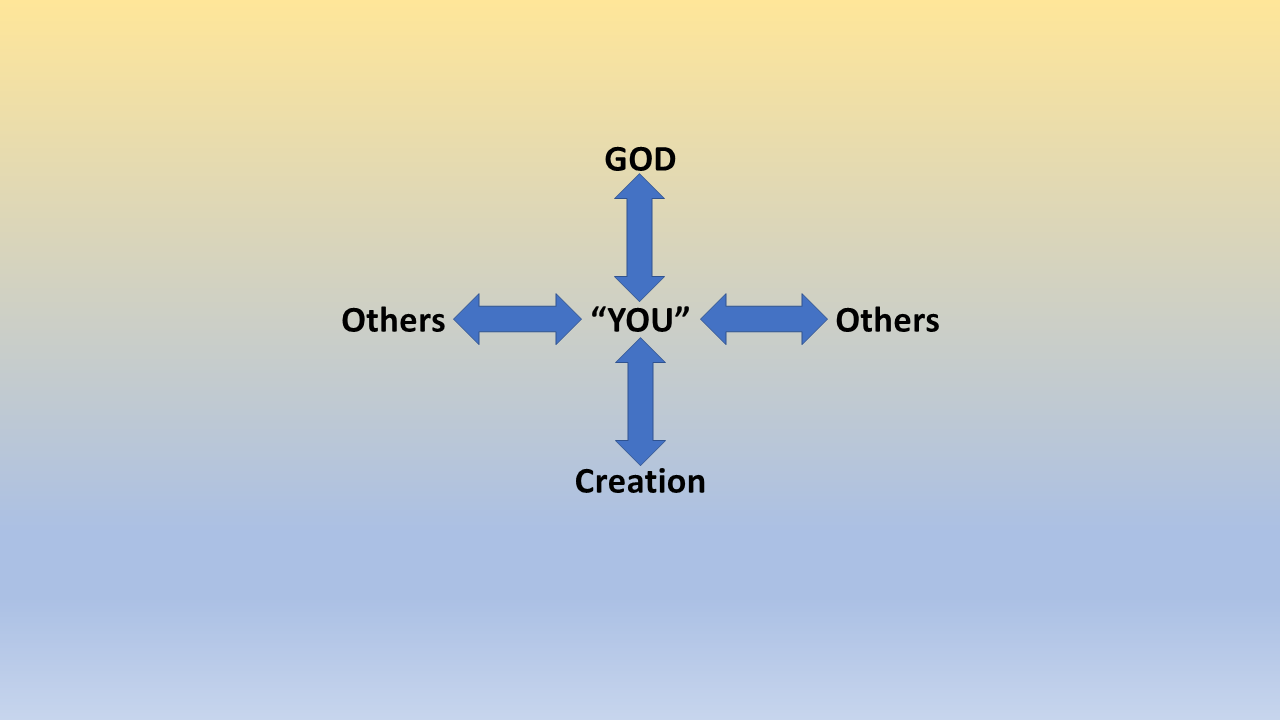
- How we relate to God, other people, and Creation.
Substantively, functionally, and relationally, every human is an “image of God” invested with authority, responsibility, and dignity. To gain better insight into this critical topic, see the links at the end of this post.
Essentially, every sin against an “image of God” is a sin against the God of the image.
Therefore, Psalm 51:4 is not David dodging responsibility; it is David naming reality.
Some observations and reflections
Here are a few matters flowing from this post; you may have more:
- Raises questions:
Any process of forgiveness is deficient and defective without understanding that our offence against another person is sin against God, requiring that we engage with God.
This raises serious questions about common theories of forgiveness. I am unaware of any secular—that is, non-biblical—approach to forgiveness and reconciliation that acknowledges and includes the triune God in this process. We must also challenge and reconsider many approaches to forgiveness circulating in the Christian sphere, many of which bear more resemblance to modern secular models than they do to God and the Biblical text.
- Raises the stakes:
This truth should humble us and drive us to repentance. It means our guilt extends beyond the human relationships we have damaged to the divine relationship we have violated.
- Recognizes justice:
Biblical forgiveness never means pretending the wrong was small or bypassing accountability. It means entrusting ultimate justice to God:
Beloved, never avenge yourselves, but leave it to the wrath of God” (Romans 12:19, ESV).
Forgiveness can proceed even when human courts fail—not by erasing justice, but by entrusting it to God.
- Other issues:
What if the person we have offended is dead or cannot be located? What if the person we have offended will not forgive us? The answers lie in engaging with God for our forgiveness. These are real and vital issues that we will deal with in future posts.
What can you add to this post and these observations? You can contact me using this link.
You can learn more about what it means to be “image of God” in:
- the post, “What Does It Mean to be Human?” or
- the YouTube video, “Who are we?” (11:54)
FORWARD TO the next post in this series
BACK TO What is a Relationship Breaking Point?
TO START at the beginning of this series
Image credit: John B. MacDonald © 2025
Click "yes" to receive resource-rich newsletters.
Helpful resources provided to 'living theology' subscribers.
YES!